Environmental Justice
Definitions
- US EPA (2021) (accessed January 27, 2026):
“Environmental justice (EJ) is the fair treatment and meaningful involvement of all people regardless of race, color, national origin, or income with respect to the development, implementation and enforcement of environmental laws, regulations and policies.
Fair treatment means no group of people should bear a disproportionate share of the negative environmental consequences resulting from industrial, governmental and commercial operations or policies.”
- WE ACT for Environmental Justice (accessed January 27, 2026)(a New York City-based environmental justice group):
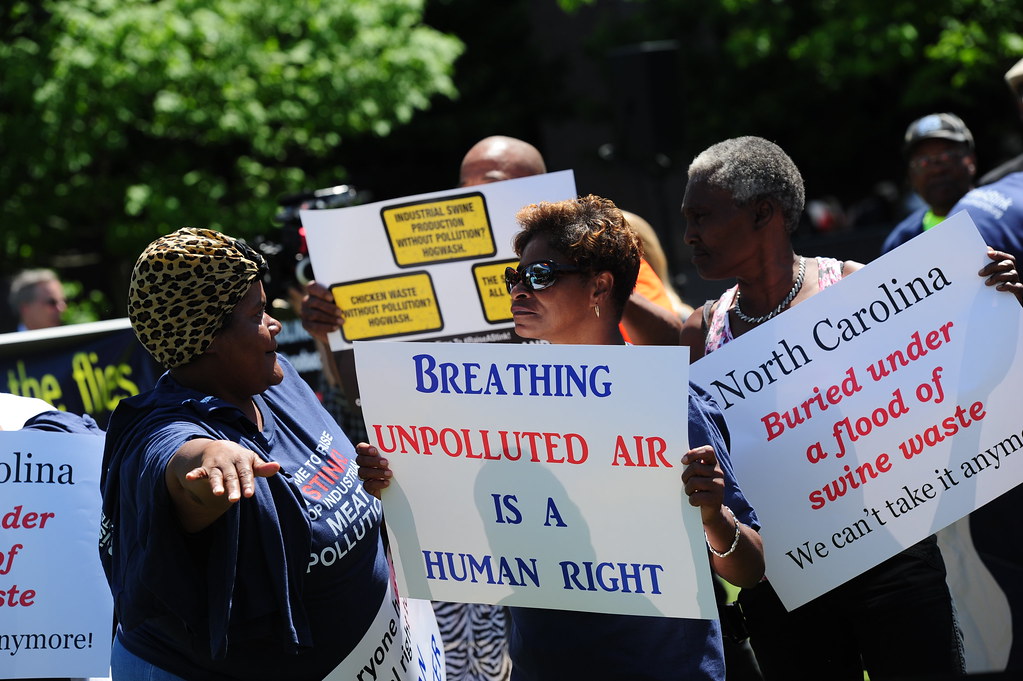
“Environmental justice is a civil rights analysis of environmental decision-making…to address the disproportionate exposure to pollution and other environmental hazards that people of color face across this country, along with the resulting adverse health impacts…
- Greenpeace USA (accessed January 27, 2026)(Washington, DC-based environmental advocacy group)
“Environmental Justice requires that we incorporate racial and socioeconomic justice into the way we fight for the protection of our planet.”
Early Milestones in the History of the U.S. Environmental Justice Movement
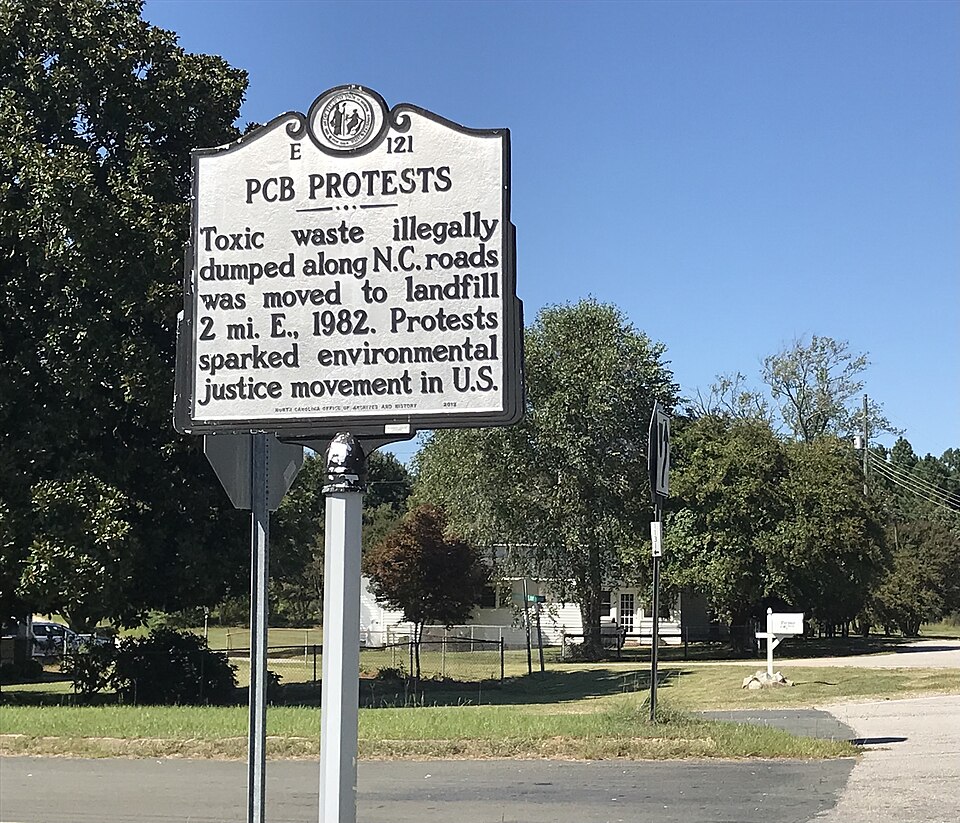
- 1982: Protest against hazardous waste site in majority-Black Warren County, N.C.
- 1987: United Church of Christ, Toxic Wastes and Race in the United States
- 1991: The First National People of Color Environmental Leadership Summit
- 1994: President Clinton signs Executive Order 12898: “each Federal agency shall make achieving environmental justice part of its mission…”
The Latest:
- January, 2025: President Trump signs Executive Order rescinding Executive Order 12898